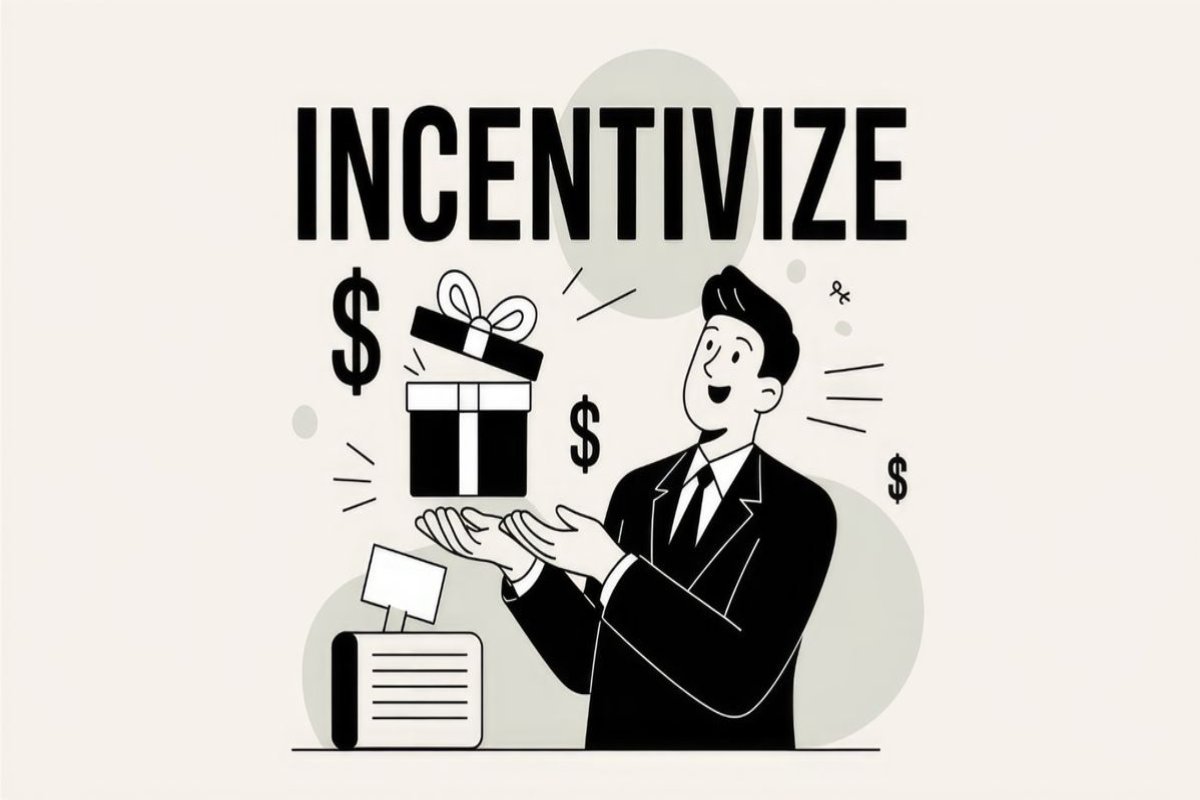
People don't usually do what is "right" or "logical"; they do what they are incentivized to do.
Lets understand with a simple Example: The Messy Room
- The Goal: Your parents want you to have a clean room.
- Scenario A (Bad Incentive): They tell you, "Clean your room or you're grounded."
- The Outcome: You shove everything under the bed. It looks clean so you don't get grounded, but the room is actually still a mess. You were incentivized to avoid punishment, not to be tidy.
- Scenario B (Good Incentive): They say, "We are selling your old stuff on eBay; you keep 100% of the cash for anything you find and organize."
- The Outcome: You clean every corner, organize your closet, and find things you didn't even know you had. You were incentivized to find value.
The "Chauffeur" Trap of Incentives
In the professional world, failing to understand incentives causes disasters:
- The Mechanic: If you pay a mechanic based on how many parts they replace (the incentive), they will find "problems" with your car that don't exist (the outcome).
- Social Media: If an app is paid by how many minutes you spend on it, they won't show you the "best" content; they will show you the content that makes you angry or addicted so you don't close the app.
How to use this (The "Incentive Filter")
Whenever you are confused by why someone is acting weird or why a system is broken, ask: "How is this person being rewarded?"
- The Salesman: He’s not being "pushy" because he’s a jerk; he’s pushy because he only gets a commission if you buy today.
- The Student: They aren't "cheating" because they hate learning; they are cheating because the system rewards the grade (the incentive) more than the knowledge (the outcome).
The Takeaway: If you want to change the result, don't just ask people to "be better." Change the reward.