This is a mental trick popularized by Charlie Munger, who famously said: "All I want to know is where I'm going to die, so I'll never go there."
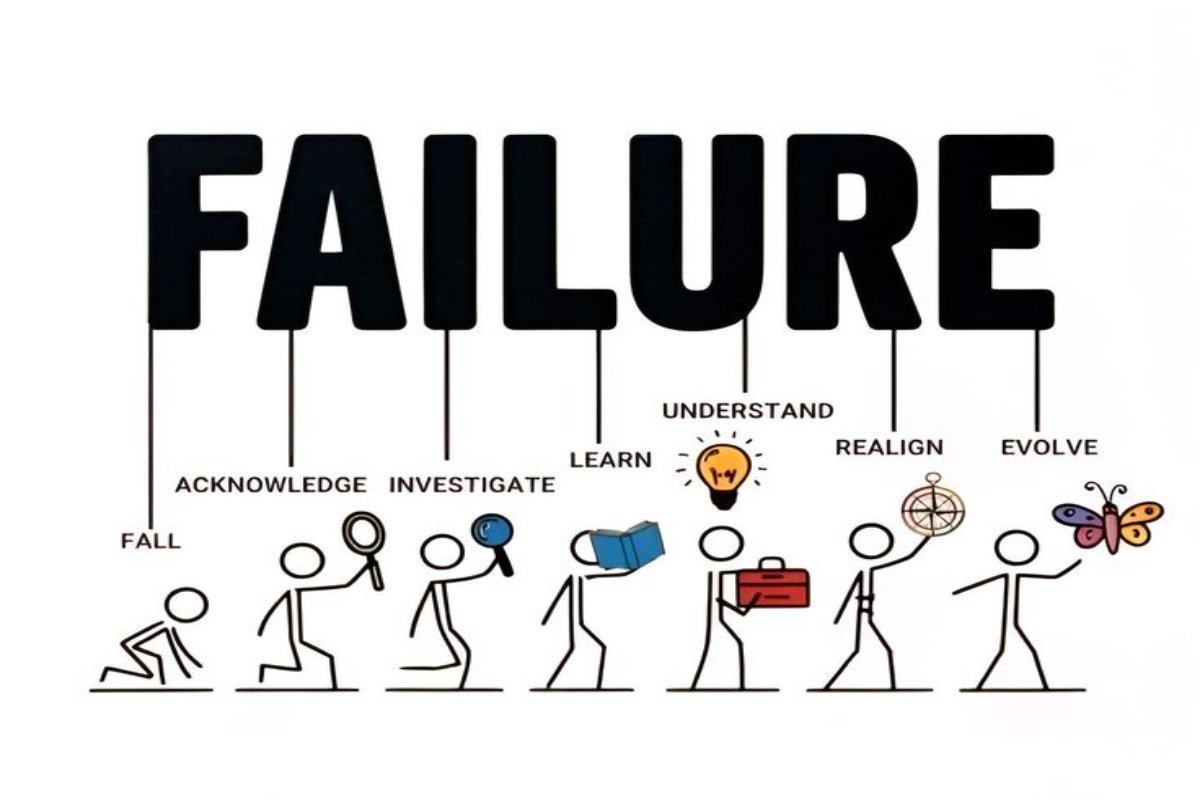
Usually, we think forward: "How do I succeed?" Inversion flips it and thinks backward: "What would guaranteed failure look like? Okay, now don't do those things."
Why it works
It is much easier to identify what’s stupid than what’s brilliant. Avoiding stupidity is often more effective than seeking excellence.
How to Do It: Let's Understand It Like a 15-Year-Old.
Instead of asking "How do I get an A in math?" (which feels vague and hard), you ask: "How could I definitely fail math?"
1. List the failures:
- Don't do any homework.
- Don't ask questions when I'm confused.
- Stay up until 3 AM playing games before the exam.
- Sit next to the person who talks the most.
2. The Strategy: Now, you don't need a "genius" plan. You just have a checklist of what to avoid. If you just avoid those four things, you are almost guaranteed to pass.
Real-World Examples
- Health: Instead of "What's the perfect diet?", ask "What's killing me?" (Smoking, 5 sodas a day, zero sleep). Stop those first.
- Relationships: Instead of "How do I be the perfect friend?", ask "What makes someone a terrible friend?" (Lying, being flaky, talking behind backs). Avoid those.
- Investing: Instead of "Which stock will go to the moon?", ask "How do people lose all their money?" (Gambling, following TikTok advice, using money they don't have).
The Takeaway: You don't have to be a "Max Planck" genius to win. If you can just systematically avoid the "Chauffeur" mistakes and the "weighted paths" that lead to losing, you’ll end up ahead of everyone else by default.