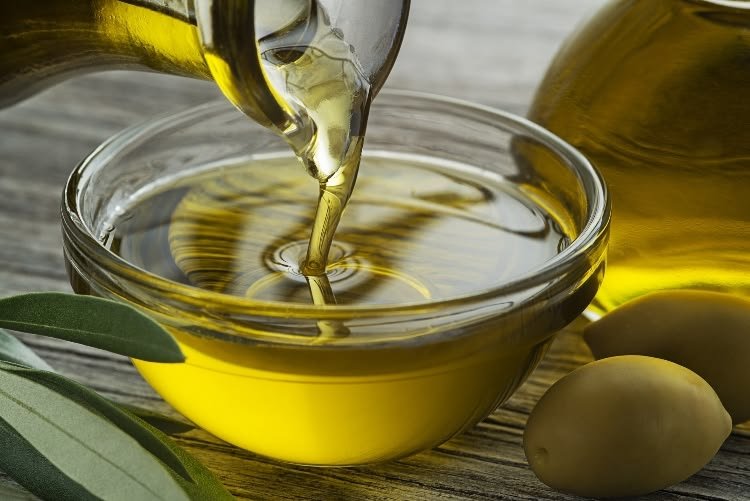
1963. A man named Tino De Angelis ran a vegetable oil trading company in New Jersey called Allied Crude Vegetable Oil. He was borrowing enormous amounts of money from banks and brokers by using vegetable oil stored in tanks as collateral. The more oil he claimed to have, the more he could borrow.
The fraud was elegant and stupid simultaneously. The tanks were mostly filled with water. A thin layer of oil floated on top — enough to fool inspectors who dipped a rod in and pulled up oil. Underneath was seawater. He claimed to own 1.8 billion pounds of salad oil. The entire United States produced less than that in a year.
When the scheme collapsed in November 1963 — the same week Kennedy was assassinated, so it got buried in the news — the losses were nearly $180 million, which was an enormous sum then. Several brokerage firms went bankrupt. But the most interesting casualty was American Express.
American Express had provided warehouse receipts certifying that De Angelis actually owned the oil. When the oil turned out to be water, American Express was on the hook for the losses. The stock collapsed. Everyone assumed American Express was finished.
Buffett saw something different.
He went and stood outside restaurants, hotels, and shops and watched people paying with American Express cards and traveler's cheques. Nobody had stopped using them. The brand was completely intact. People trusted American Express the company — they simply had not heard about or did not care about a commodities fraud in a New Jersey warehouse.
The liability was large but survivable. The franchise — the brand, the trust, the habit — was untouched. That franchise was worth far more than the scandal cost.
He put 40% of his entire partnership into American Express at the bottom. It became one of the most profitable investments of his early career.
That is the Buffett method in one story. Everyone else saw a scandal. He saw a temporarily mispriced franchise with an intact moat. He did the work, reached a different conclusion from the crowd, and bet heavily.